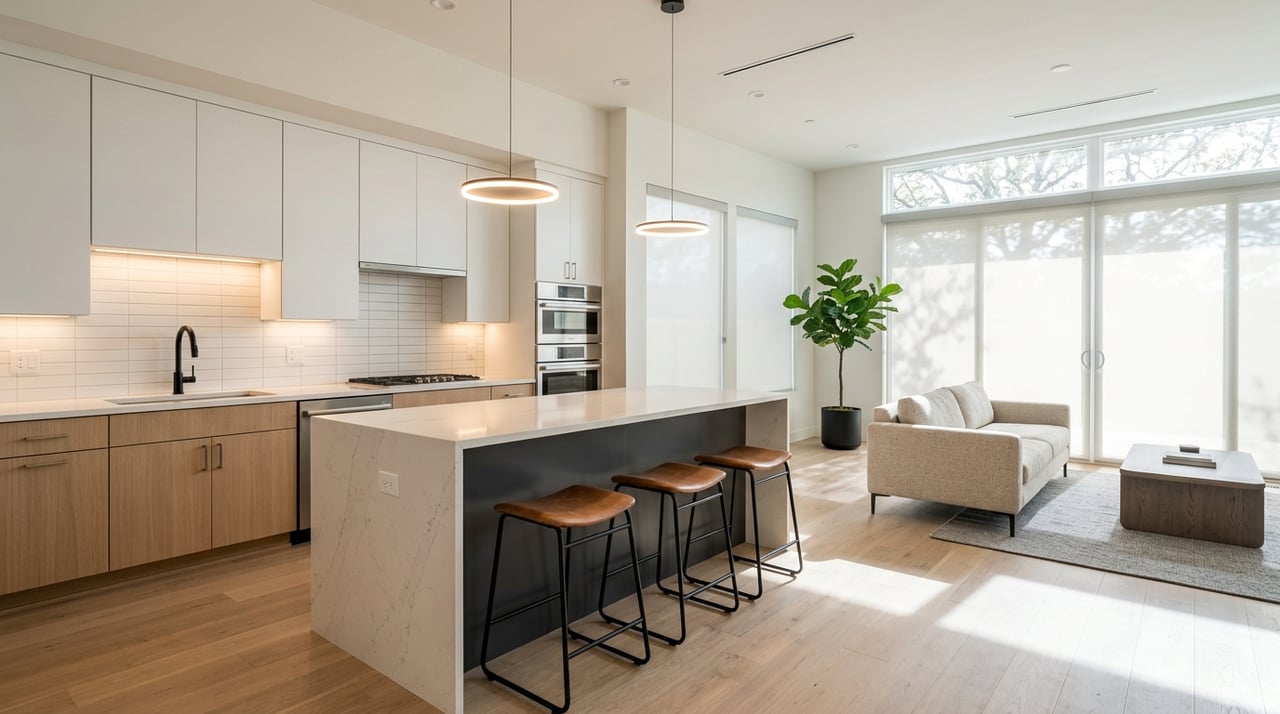
Buying new construction in Cypress can feel exciting right up until the choices start piling up. Do you want a quick move-in home or a home that is still being built? How much should you budget for upgrades, lot premiums, and ongoing community costs? If you are trying to sort through your options without missing something important, this guide will help you understand how new construction works in Cypress and what to watch for before you sign. Let’s dive in.
Why Cypress attracts new construction buyers
Cypress is one of the fastest-growing parts of northwest Harris County, and that growth is a big reason new construction continues to draw attention. Harris County has identified Cypress as one of the county’s fastest-growing communities and projects nearly 40% growth over the next 25 years.
That growth has created a wide range of housing options. In Cypress, new construction is not limited to one style or one price point. Buyers can find townhomes, single-family homes, and custom-home opportunities, especially inside larger master-planned communities.
Another important point is that Cypress is not one uniform market. According to HAR’s April 2026 data, the broader Cypress market had a median sold price of $412,000, while the older 1960/Cypress submarket was at $303,885 in the same month. That matters because when you compare a new home to a resale home, you may be comparing very different product types, ages, and locations.
What new construction looks like in Cypress
If you are starting your search, it helps to know that new construction in Cypress usually falls into a few main categories. The type of home you choose affects your timeline, your contract, and how much control you have over finishes and selections.
Completed spec homes
A completed spec home is already built, or very close to complete, when you go under contract. This option can be appealing if you want the look and feel of a new home without waiting through the full construction process.
In many cases, a completed spec home behaves more like a standard purchase. Your selections may be limited because the builder has already chosen many of the finishes, but the timeline can be more predictable.
To-be-built homes
A to-be-built home gives you the chance to buy before construction is finished. Depending on the builder and stage of construction, you may have some ability to choose finishes, materials, or upgrades.
This route can offer more personalization, but it also requires more patience and more attention to the contract details. Construction timing, allowance amounts, and written change orders all become especially important.
Townhomes and custom-home opportunities
Cypress also includes some townhome and custom-home options. Bridgeland’s official materials show a broad mix of homes by price, style, and lot size, including townhomes, single-family homes, and custom homesites. Dunham Pointe also describes itself as a community planned for custom-built homes.
If you are considering a custom or semi-custom path, expect a more detailed planning process. The payoff may be a home that better fits your preferences, but you will want a clear understanding of budget and timing from the start.
How builder contracts differ from resale
One of the biggest surprises for buyers is that new construction in Texas uses different contract forms than resale. The Texas Real Estate Commission, or TREC, has separate forms for resale homes, completed-construction new homes, and incomplete-construction new homes.
That difference matters because a new home contract is built around the construction process. It is not just a resale contract with a few extra pages added on.
Incomplete construction contracts are more detailed
For homes that are still being built, the contract covers construction-specific items such as plans, specifications, finish-out schedules, allowances, and change orders. TREC’s incomplete-construction form also requires change orders to be in writing.
The form states that buyer selections are allowed only when the construction documents permit them. It also says the seller must substantially complete the home by the stated closing date, subject to limited delay exceptions.
Material substitutions and warranties matter
New construction contracts can also allow the seller to substitute comparable materials. That is important to know if you are expecting a specific product or finish.
The contract also addresses manufacturer warranties, which are assigned at closing. In plain terms, your final home may include warranty protections, but you should understand what is covered and how those warranties transfer.
Budgeting beyond the base price
A base price can make a new home look straightforward, but your final cost may end up much higher if you do not plan carefully. In Cypress, buyers often need to account for more than the sticker price on the builder’s sheet.
Upgrades and allowances
If your contract includes allowances for selections, the language matters. TREC’s incomplete-construction form states that if your selections or change orders exceed the allowance amounts, you pay the difference. If your choices come in under the allowance, the unused amount reduces the sales price.
That means design-center decisions can directly affect your budget. Flooring, countertops, cabinets, appliances, and finish upgrades can add up quickly.
Lot premiums
Not all lots are priced the same. A larger lot, a different location within the community, or a lot with a particular view may carry a premium.
When you compare one new home to another, make sure you are looking at the full price after lot premiums and upgrades. That is the only way to compare options fairly.
Community costs and district notices
A new home’s monthly and annual costs may include more than principal, interest, taxes, and insurance. Buyers should confirm whether the community has a mandatory owners’ association or any special taxing or assessment district.
TREC has separate notices for mandatory property owners association membership, public improvement district assessments, and special taxing or assessment districts. These costs can be easy to miss when you are focused on the sales price alone.
Why lot and drainage review matters in Cypress
Lot selection in Cypress should include a flood and drainage review. The Harris County Flood Control District identifies the Cypress Creek watershed as flood prone and located in northwest Harris County.
That does not mean every lot carries the same level of risk, but it does mean you should take the review seriously. FEMA also notes that flood risk can exist in many places and that flood maps are one tool for understanding it.
Questions to ask before you commit
Before you move forward on a specific lot, it helps to ask practical questions such as:
- Whether the lot is in or near a mapped flood-risk area
- How drainage is designed for that section of the community
- Whether the builder or community provides any lot-specific drainage information
- Whether flood insurance should be considered for your situation
The Harris County Flood Control District also urges residents to monitor flood warnings and consider flood insurance. In a fast-growing area, lot-level due diligence can be just as important as the home itself.
Financing depends on the build stage
Your financing path often depends on whether the home is already complete or still under construction. This is where many buyers benefit from clear, early planning.
Financing for completed homes
If you are buying a completed spec home, the transaction may look more like a standard home purchase. Because the house is already built, the financing process is often more straightforward than financing a home that is still under construction.
That can make completed inventory appealing if you want a simpler timeline and fewer moving parts.
Financing for homes under construction
A to-be-built home may require a construction-to-permanent strategy. The Consumer Financial Protection Bureau says construction loans are usually short-term loans funded in advances as work progresses and often have higher rates than long-term mortgages.
The CFPB also notes that if the construction loan does not automatically convert, the borrower may need to reapply for permanent financing. Fannie Mae says it supports both single-closing and two-closing construction-to-permanent transactions and requires lenders to retain evidence of completion.
For you as a buyer, that means the process can involve more documentation and tighter coordination among the builder, lender, and title company. This is one reason financing clarity early on can save stress later.
Timing your move and tax planning
Timing matters with new construction, especially if your move-in date lands near the end of the year or shifts due to construction progress. That timing can affect both your move plans and your property tax paperwork.
For owner-occupants, the Harris County Appraisal District says the immediate residence homestead exemption applies when you occupy a new home and must be filed before the first anniversary of acquisition. For the regular homestead exemption, the normal filing window is January 1 through April 30.
This is worth planning for because the first and second years of ownership may not look exactly the same from a tax filing standpoint. If you are buying a newly built home in Cypress, ask early about your expected closing and occupancy timeline so you can stay on top of those deadlines.
How to compare new construction options wisely
With so many choices in Cypress, the best decision usually comes down to matching the home type to your budget, timeline, and comfort level with the building process. A lower base price does not always mean a lower total cost, and more customization is not always worth a longer timeline for every buyer.
A smart comparison usually includes:
- Base price versus final price after upgrades
- Lot premium and location within the community
- HOA or other district-related costs
- Flood and drainage considerations
- Contract terms for completed versus incomplete construction
- Financing path based on the stage of the home
If you focus on those points, you will be in a much better position to compare homes on substance instead of marketing alone.
New construction in Cypress can offer real advantages, from modern layouts to community amenities and a wide range of home styles. The key is knowing that not every “new home” purchase works the same way. When you understand the contract, the financing path, the lot considerations, and the true total cost, you can move forward with more confidence and fewer surprises.
If you want help weighing Cypress new construction options with a clear eye on contract terms, financing strategy, and total cost, Truss Real Estate is here to help.
FAQs
What types of new construction homes are available in Cypress?
- Cypress new construction commonly includes completed spec homes, to-be-built single-family homes, townhomes, and some custom-home opportunities within larger communities.
How is a Cypress new construction contract different from a resale contract?
- Texas uses separate TREC forms for resale homes and new homes, and new construction contracts include details such as plans, specifications, allowances, and written change orders.
Why do upgrade allowances matter for a Cypress new build?
- If your selections exceed the contract allowances, you pay the difference, while unused allowances can reduce the sales price.
Should you review flood and drainage information before buying in Cypress?
- Yes. The Harris County Flood Control District identifies the Cypress Creek watershed as flood prone, so lot and drainage review should be part of your due diligence.
Is financing different for a completed Cypress spec home versus a to-be-built home?
- Usually yes. A completed spec home may finance more like a standard purchase, while a to-be-built home may require construction-to-permanent financing and more documentation.
When should you file a homestead exemption for a new home in Harris County?
- Harris County Appraisal District says the immediate residence homestead exemption for a new home must be filed before the first anniversary of acquisition, while the regular filing window is typically January 1 through April 30.